Trimming: A Practical Guide for December
Trimming involves cutting branches and foliage to enhance the health and appearance of trees. Proper trimming ensures that your trees remain strong, safe, and visually appealing.
In this guide, you'll learn essential trimming techniques, signs your trees need attention, and how to choose a reliable local service provider. Understanding these aspects will help you maintain the beauty and safety of your property.
What Is Tree Trimming and Why Is It Important?
Tree trimming is the process of selectively removing branches to improve a tree's structure and health. Regular trimming helps prevent diseases, allows better light penetration, and enhances the tree's overall appearance. It’s crucial for both aesthetic and safety reasons, as overgrown branches can pose hazards during storms or high winds.
Additionally, trimming helps manage the growth of trees, ensuring they fit well within their surroundings and don’t interfere with structures or power lines. Keeping your trees trimmed can also contribute to the longevity of the tree and the safety of your property.
- Improves tree health and growth
- Enhances appearance
- Prevents safety hazards
- Encourages flower and fruit production
- Increases sunlight exposure
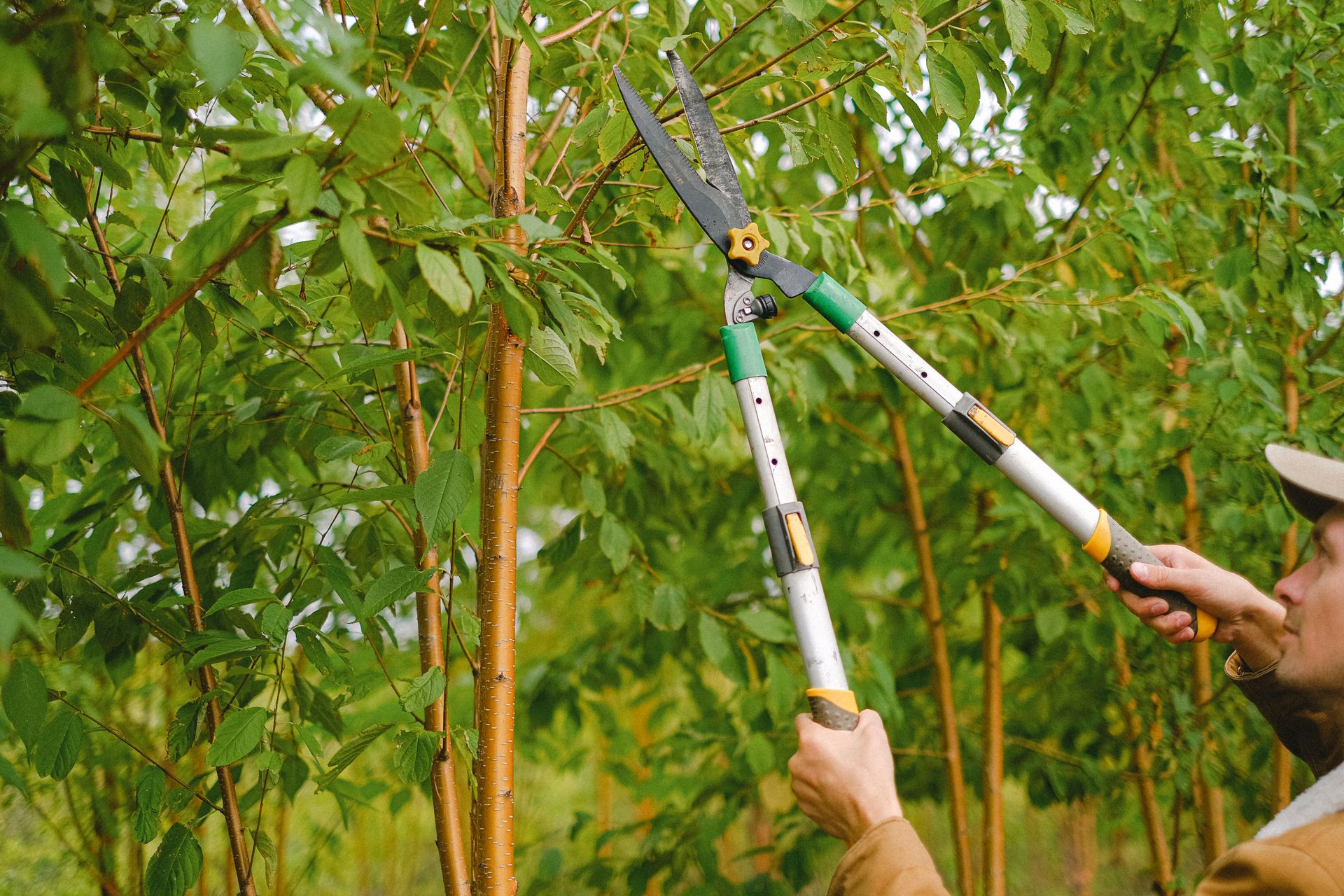
When considering tree trimming, it's important to assess the overall health of your tree. Look for signs of disease, such as discoloration or unusual growth patterns. Additionally, check for any dead branches that could pose a safety risk if they fall. Before trimming, create a checklist: 1) Identify branches that are crossing or rubbing against each other. 2) Determine the best time of year for trimming based on the tree species. 3) Ensure that you have the right equipment, like pruning shears or a pole saw, to make clean cuts that promote healing.
Trimming can also vary based on your goals. For example, if you want to encourage fruit production, you may need to trim during specific growth phases. This can involve removing older branches to make way for new growth. Understanding these nuances can help you achieve the desired outcome while maintaining the tree's health.
Signs Your Trees Need Trimming
Recognizing when your trees need trimming can save you from bigger issues down the line. Common signs include dead or dying branches, excessive growth, and branches touching structures or power lines.
You might also notice that some branches are crossing each other, which can lead to damage. Additionally, if your trees are blocking sunlight from your lawn or garden, it’s time for a trim.
- Dead or broken branches
- Overgrown branches
- Branches touching structures
- Blocked sunlight
- Crossing branches
Another sign that your trees may need trimming is the presence of fungal growth or mushrooms at the base or on the trunk. These can indicate internal decay, which might weaken your tree structurally. Checking for peeling bark or oozing sap can also signal health issues that require attention. If you notice any of these signs, it’s best to consult a professional. They can assess whether trimming is sufficient or if further action, like pruning or removal, is necessary.
- Fungal growth at the base
- Peeling bark
- Oozing sap
- Weak or leaning trunk
- Increased pest activity
- Unusual leaf drop
Types of Trimming Services Offered
Different trimming services address various needs. For example, tree pruning focuses on removing specific branches to improve tree structure, while deadwood removal targets dead or dying limbs.
Stump grinding, although not a trimming service per se, is often included in trimming packages. It involves removing the stump left after a tree has been cut down, which can improve the aesthetic of your yard.
- Tree Trimming Services
- Tree Pruning Services
- Deadwood Removal
- Stump Grinding
Another important trimming service is crown thinning, which involves selectively removing branches to increase light penetration and air circulation throughout the tree. This not only promotes healthy growth but also reduces the risk of branches breaking during storms. When considering crown thinning, check the tree's overall health and structure. If the tree is young or diseased, it may not be the right time for this service. A professional can help assess the tree’s condition and determine the best approach.
When discussing trimming options with your provider, consider asking about: - The specific goals for trimming (e.g., health, aesthetics) - The types of trees in your yard and their specific needs - Any potential risks associated with different trimming methods - The timeline for results after trimming - Follow-up care recommendations to ensure healthy regrowth.
How the Tree Trimming Process Works
The tree trimming process typically begins with an assessment of the tree's condition and structure. A professional will identify which branches need to be trimmed and the best approach to take.
Once the assessment is done, the trimming begins. Professionals use specific tools to ensure clean cuts, which help the tree heal properly. After trimming, debris is usually cleared away, leaving your property tidy.
- Assessment of tree condition
- Identification of branches to trim
- Use of appropriate tools
- Debris cleanup
During the tree trimming process, it's crucial to assess not only the branches that need cutting but also the tree's overall health. Look for signs of disease or damage, such as discolored leaves or fungal growth. Before trimming, check for nearby power lines or structures that could be impacted by falling branches. A good practice is to create a trimming plan that outlines which branches will be cut and why, ensuring that the trim enhances the tree's growth and shape. This pre-trimming evaluation can prevent future issues and promote a healthier tree.
- Assess tree health: Look for disease signs or damage.
- Check for nearby hazards: Identify power lines or structures.
- Create a trimming plan: Outline branches to cut and their purpose.
- Ensure clean cuts: Use proper tools to promote healing.
- Schedule regular trims: Maintain tree health and aesthetics.
Cost Factors for Tree Trimming Services
The cost of tree trimming can vary based on several factors. The size of the tree, the extent of the trimming needed, and the accessibility of the tree all play a role in determining the final price.
Additionally, the type of service you choose—such as pruning versus deadwood removal—can also affect costs. Always request a detailed estimate from your service provider to understand what services are included.
- Tree size and height
- Extent of trimming required
- Accessibility of the tree
- Type of service (pruning, deadwood removal)
Another cost factor to consider is the health and condition of the tree. A tree that is diseased or infested with pests may require additional care, which can increase the cost. Moreover, if the tree is located near power lines or structures, specialized equipment may be necessary for safe trimming. Before hiring a provider, check for any permits needed for trimming in your area, as this could affect the timeline and cost. It's also wise to ask about disposal fees for the trimmings, as some companies may charge extra for this service.
- Tree health and condition
- Proximity to power lines or structures
- Permits required for trimming
- Specialized equipment needed
- Disposal fees for trimmings
How to Choose a Tree Trimming Provider
Choosing the right trimming service is essential for ensuring quality work. Look for providers with proper licensing and insurance, as this protects you from liability.
Check for reviews or testimonials from previous customers, and ask for references. A good provider should also offer a detailed estimate and be transparent about their process.
- Check for licensing and insurance
- Read customer reviews
- Ask for references
- Request a detailed estimate
Consider the specific services each provider offers. Some may specialize in tree pruning, while others focus on trimming or storm damage clean-up. Ask about their equipment and techniques to ensure they align with your needs. For example, a company using advanced equipment like aerial lifts can safely trim taller trees, reducing the risk of damage to your property. Additionally, inquire about their cleanup process after trimming; a thorough provider will leave your yard tidy, removing debris and ensuring no hazards remain.
- Inquire about the types of trimming services offered
- Check the equipment used for tree trimming
- Ask about their cleanup process after the job
- Ensure they have experience with your specific tree types
- Confirm their response time for emergency services
Frequently Asked Questions
What is the best time of year for trimming?
The best time for trimming depends on the type of tree. Generally, late winter or early spring is ideal for many species, as they are still dormant and can heal quickly after trimming.
Can I trim my own trees?
While you can trim small trees or shrubs, it's safer and more effective to hire a professional for larger trees. Improper trimming can harm the tree and pose safety risks.
How often should trees be trimmed?
Most trees benefit from trimming every 3-5 years, but this can vary based on growth rates and health. Regular assessments can help determine the right schedule.
What tools are used for tree trimming?
Common tools include pruning shears, hand saws, and chainsaws. Professionals use specialized equipment to ensure safe and effective trimming.
What should I do after trimming?
After trimming, ensure the area is clean and free of debris. Monitor the tree for any signs of stress or disease, and consult a professional if you notice any issues.
Contact Roques Tree Services for Professional Help
Maintaining your trees through proper trimming is vital for their health and your safety. If you’re unsure about trimming or need a professional assessment, contact Roques Tree Services LLC. Our team is here to help with all your tree trimming needs.
Tree trimming is essential for maintaining the health and safety of your trees. If you notice any signs that your trees need attention or if you're uncertain about how to proceed, don't hesitate to reach out to Roques Tree Services LLC. Our experienced team is ready to assist you with all your tree trimming needs, ensuring your trees remain healthy and well-maintained.